Those who bruise easily develop lesions when there is no known cause. They have experienced no trauma, and the bruises they have are large and appear frequently. According to BMJ Best Practice, surveys suggest that somewhere between 12 percent and 55 percent of people have some form of easy bruising. As we delve into the correlation between alcohol alcohol and bruising withdrawal and ecchymosis, understanding the pathophysiology behind this phenomenon is crucial for individuals navigating through this complex journey. If your bruise does not heal within the expected timeframe or if you develop additional symptoms such as signs of infection, it is advisable to consult a healthcare professional for further evaluation and guidance. Yes, certain medications like nonsteroidal anti-inflammatory drugs (NSAIDs) and blood thinners can impede bruise healing by affecting blood clotting.
Signs of easy bruising
Steroids and some cancer drugs (chemotherapy and targeted therapy) may also lower your platelet levels, which can cause you to bleed and get bruises more than you usually do. A hematoma is a large pool of blood that may come from a serious injury, such as a major fall or a car accident. Hematomas are usually painful and may make the skin over it feel raised, spongy, rubbery, and/or lumpy.
- Furthermore, providing your body with essential nutrients can help to support optimal health.
- Blood thinners are drugs your doctor prescribes to prevent blood clots that can cause a heart attack or stroke.
- Consequently, surgical removal of the spleen is the only treatment capable of slowing the hemolytic process.
Physical Signs of Alcoholism
- Spur cells are distorted RBC’s that are characterized by spikelike protrusions of their cell membrane (figure 2).
- Research reviews have also listed alcohol as a culprit for triggering migraine attacks.
- And if you have an underlying health condition such as diabetes or kidney disease, ask your doctor whether it’s safe for you to drink at all.
It’s rare to have extremely low levels of vitamin C, but when you do, your blood vessels may be weaker. By weeks two to four, liver cells reduce fat buildup and improve bile flow. These changes confirm the timeline of liver healing signs is moving forward. The timeline of liver healing signs depends on how long you drank, how much you drank, and whether other conditions exist. Healing follows a biological order based on inflammation reduction, fat clearance, and cell repair.
Why Hangovers Don’t Stop You From Drinking (And What Does)

For example, targeting survivin in tumor tissue has the potential to lead to unanticipated https://goldenstar.webtekdemo.com/spotting-the-signs-of-alcohol-withdrawal-how-to-5/ or undesired elimination of necessary survivin functions, including protection of gastric mucosa. Survivin protein function is essential to the development of cytoprotection. Maintenance of survivin levels result from modification of the kinase activity of p34cdc2 after modest alcohol exposure. Other evidence suggests modification at the expression level may also be occurring. The metabolism of alcohol results in the generation of acetaldehyde and reactive oxygen (and other) species, biochemical moieties that damage healthy tissue. In addition, in different tissues, the magnitude and duration of oxidative stress depends on the metabolic state of the cells and on the ability of those tissues to metabolize and clear alcohol and its byproducts.
You may get bone bruises from sports injuries, car crashes, falls from a height, joint sprains, or medical conditions like arthritis. Perhaps the most common cause of bruising from alcohol is that alcohol acts as a vasodilator, making blood vessels larger. If they appear without clear cause, persist for weeks, or are accompanied by other signs of liver dysfunction (e.g., jaundice, marijuana addiction abdominal swelling, or fatigue), seek medical attention. A simple blood test measuring prothrombin time (PT) or international normalized ratio (INR) can assess clotting function and liver health. Early detection allows for interventions like alcohol cessation, dietary adjustments, and medications to slow disease progression.
When Should I See a Doctor About Bruising After Drinking?
Continuing to drink, even when it causes health problems, is a sign of an alcohol use disorder. Someone who lives with an alcohol use disorder may experience lasting brain changes that make it difficult to stop drinking. Furthermore, if alcohol bruises are a result of liver damage, you likely have alcoholic liver disease, which causes severe dysfunction in the liver. Alcohol is known to be toxic to the liver, and a majority of people who regularly consume 4 or more drinks per day will develop a fatty liver. Understanding this mechanism is crucial for both medical professionals and individuals struggling with alcohol use. For healthcare providers, recognizing easy bruising as a potential sign of alcoholism can prompt further investigation and early intervention.
- Additionally, alcohol dilates blood vessels, making them more susceptible to injury.
- Complications may arise, such as delayed healing and increased risk of infections due to compromised skin integrity.
- If your bruise doesn’t improve within two weeks, or if you start to notice frequent, unexplained bruises—whether you’re drunk or sober—call your doctor.
- The consumption of alcohol affects your coordination and judgment and, likely increases the chances of accidents – bumping into things and falling.
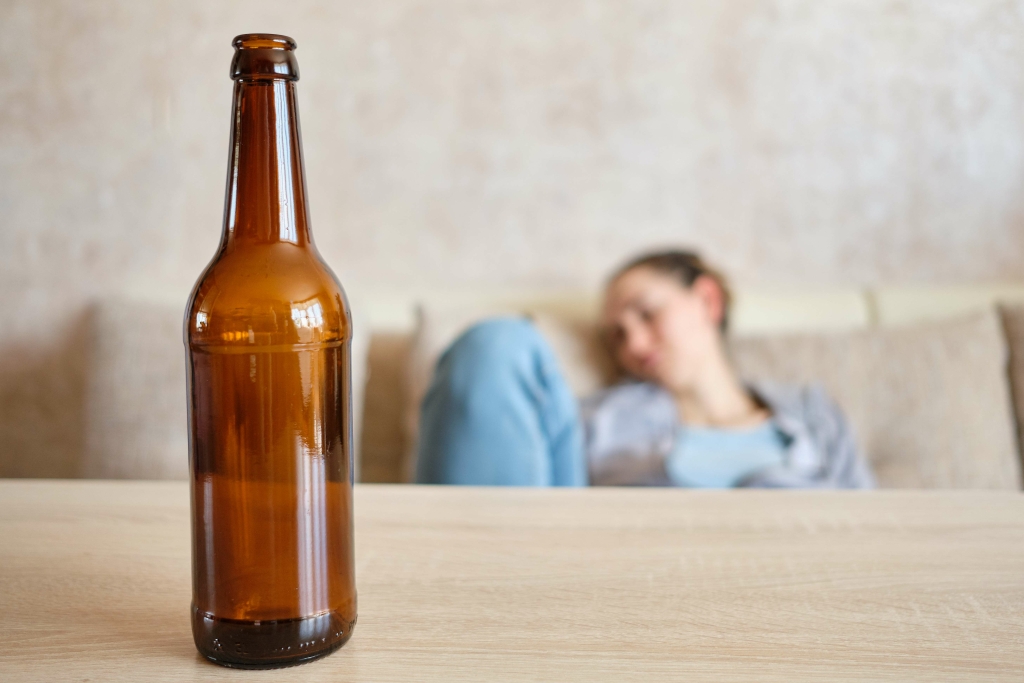
Alcoholism can have a detrimental effect on an individual’s professional and personal relationships. Frequent absences from work, decreased productivity, and poor performance are common signs of alcoholism. Furthermore, strained relationships, conflicts with family and friends, and a withdrawal from social activities may all indicate a person’s struggle with alcohol addiction. Treatment options may include therapy, support groups, medication, and lifestyle changes. It is a journey that requires commitment, perseverance, and a strong support system. With the right help and support, individuals struggling with alcoholism can regain control of their lives and achieve long-term sobriety.